Live Broadcasting
Detailed Description
Live broadcasting is a core component of today’s television and digital media industry. Using virtually zero-delay transmission systems, live broadcasts allow events to be delivered in real time to audiences worldwide, regardless of physical attendance, significantly expanding reach and impact.
Over the past 20 years, GFM Studio has established itself as one of the leading providers of live broadcasting services. Our portfolio includes live transmission of a wide range of events such as political programs, conferences, international forums, television shows, concerts, company presentations, corporate and anniversary events, business meetings, and educational lectures.
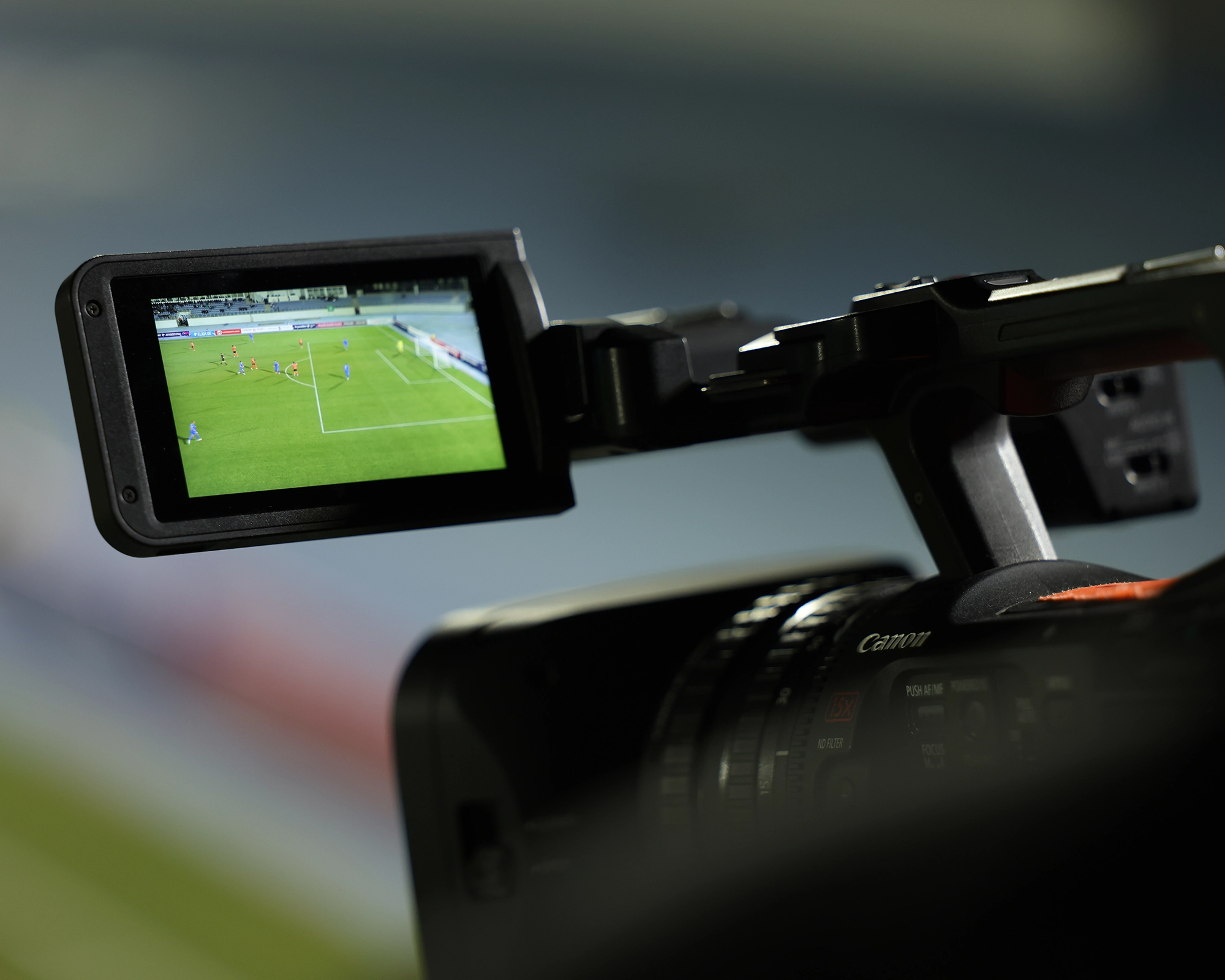
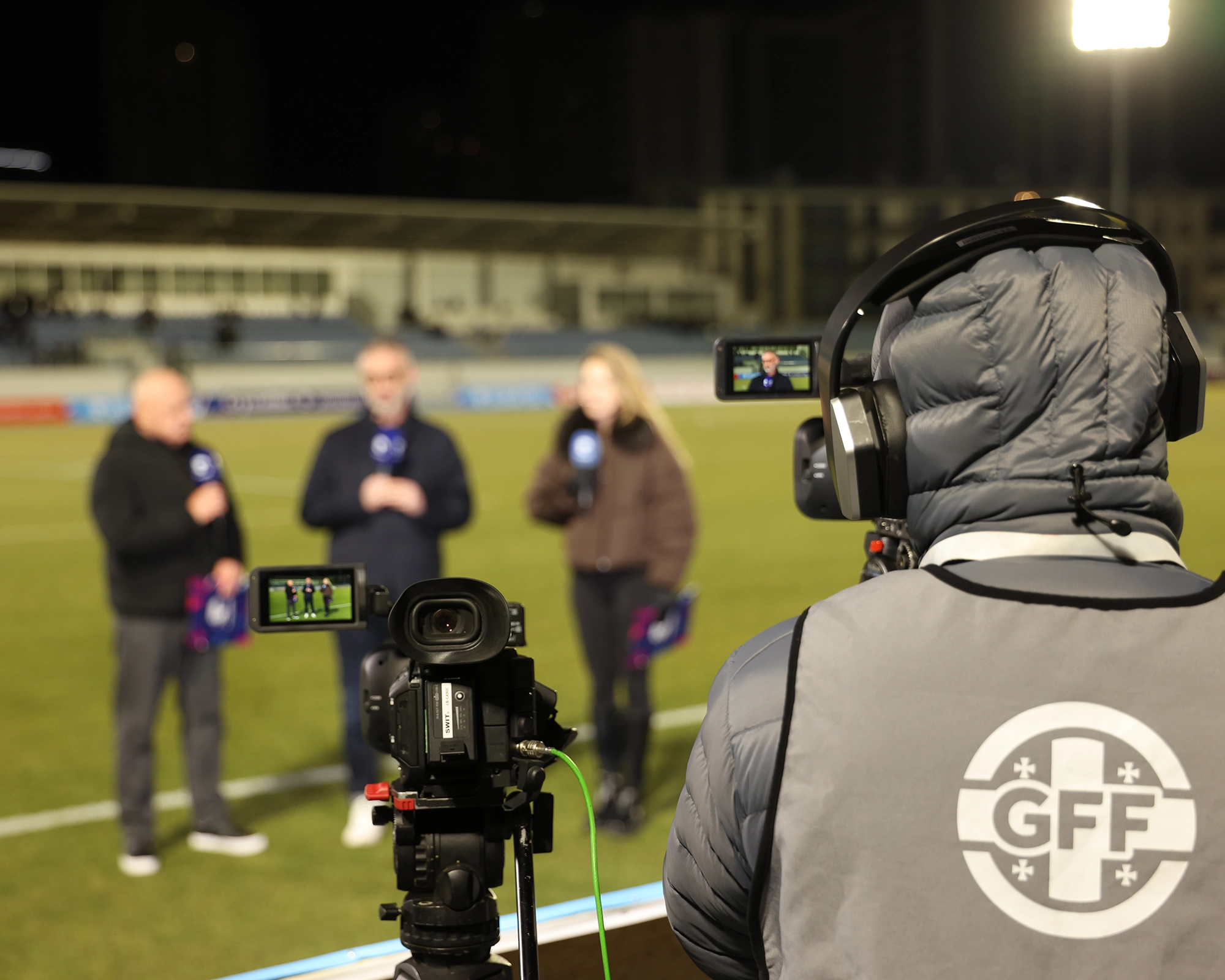
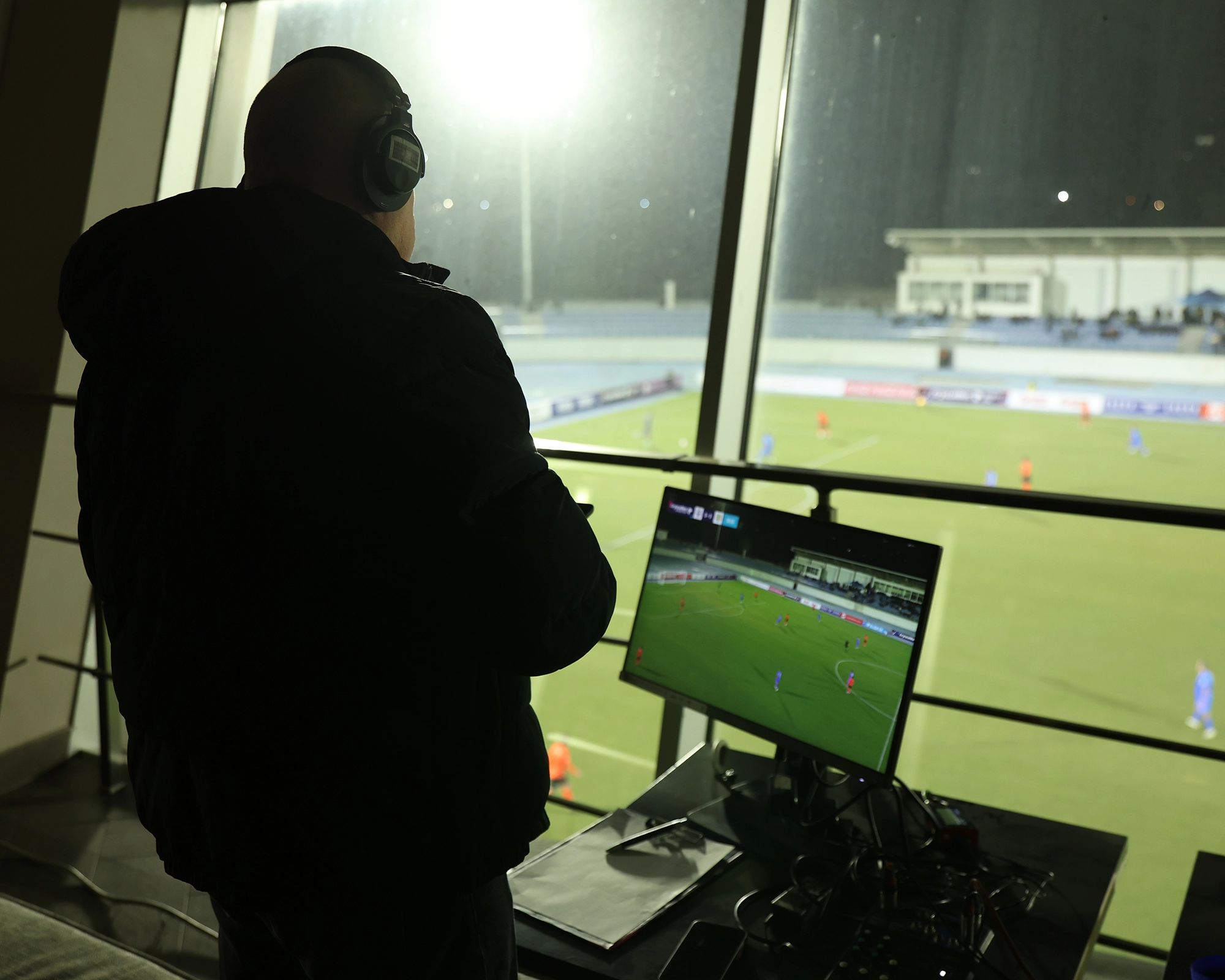
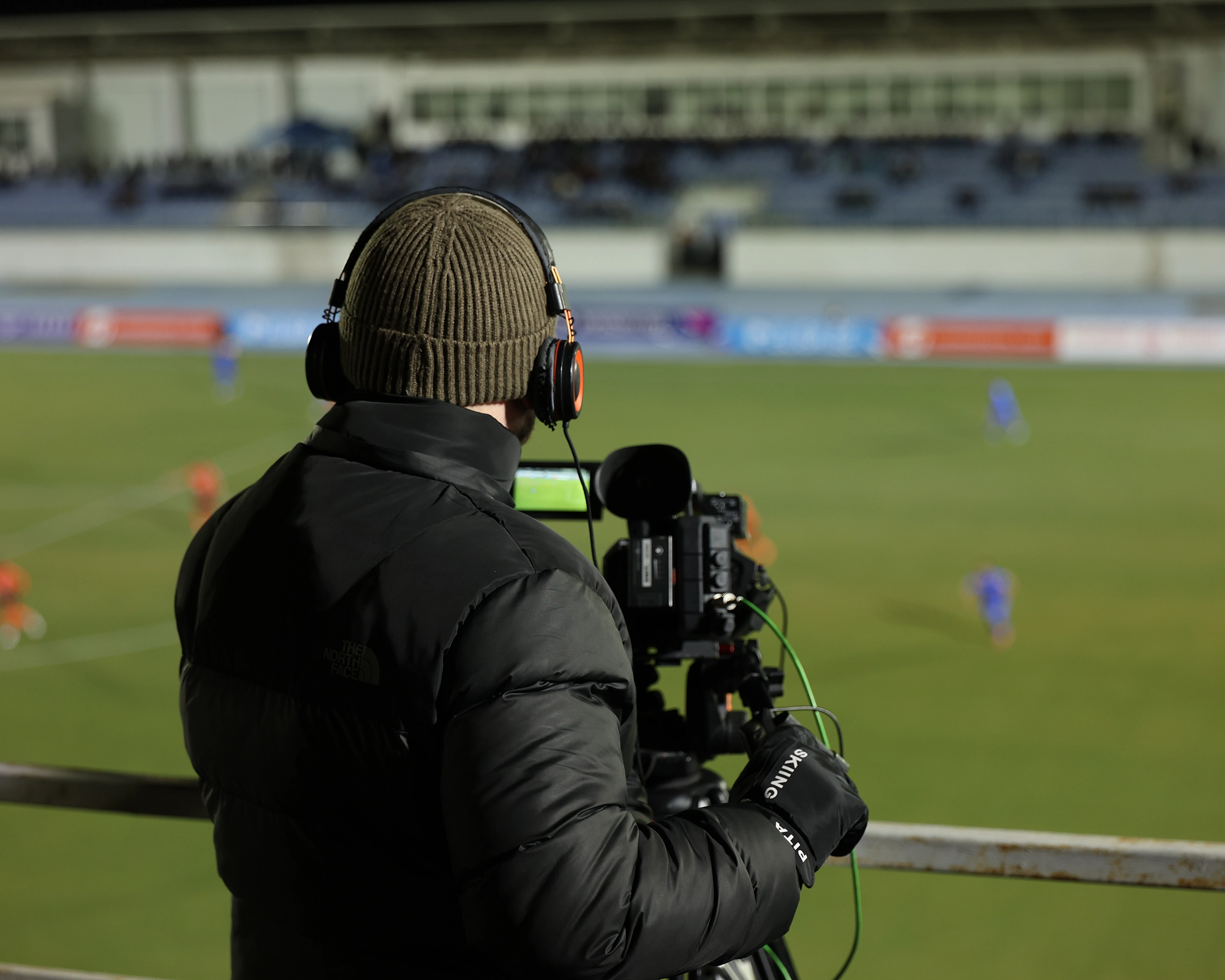
We possess extensive expertise in sports broadcasting. To date, GFM Studio has successfully transmitted up to 1500 sports matches, including football, basketball, futsal, water polo, fencing, gymnastics, and ski competitions. The number of live football matches broadcast alone exceeds 1000.
Our experience includes collaboration with major international sports organizations such as UEFA and FIBA.
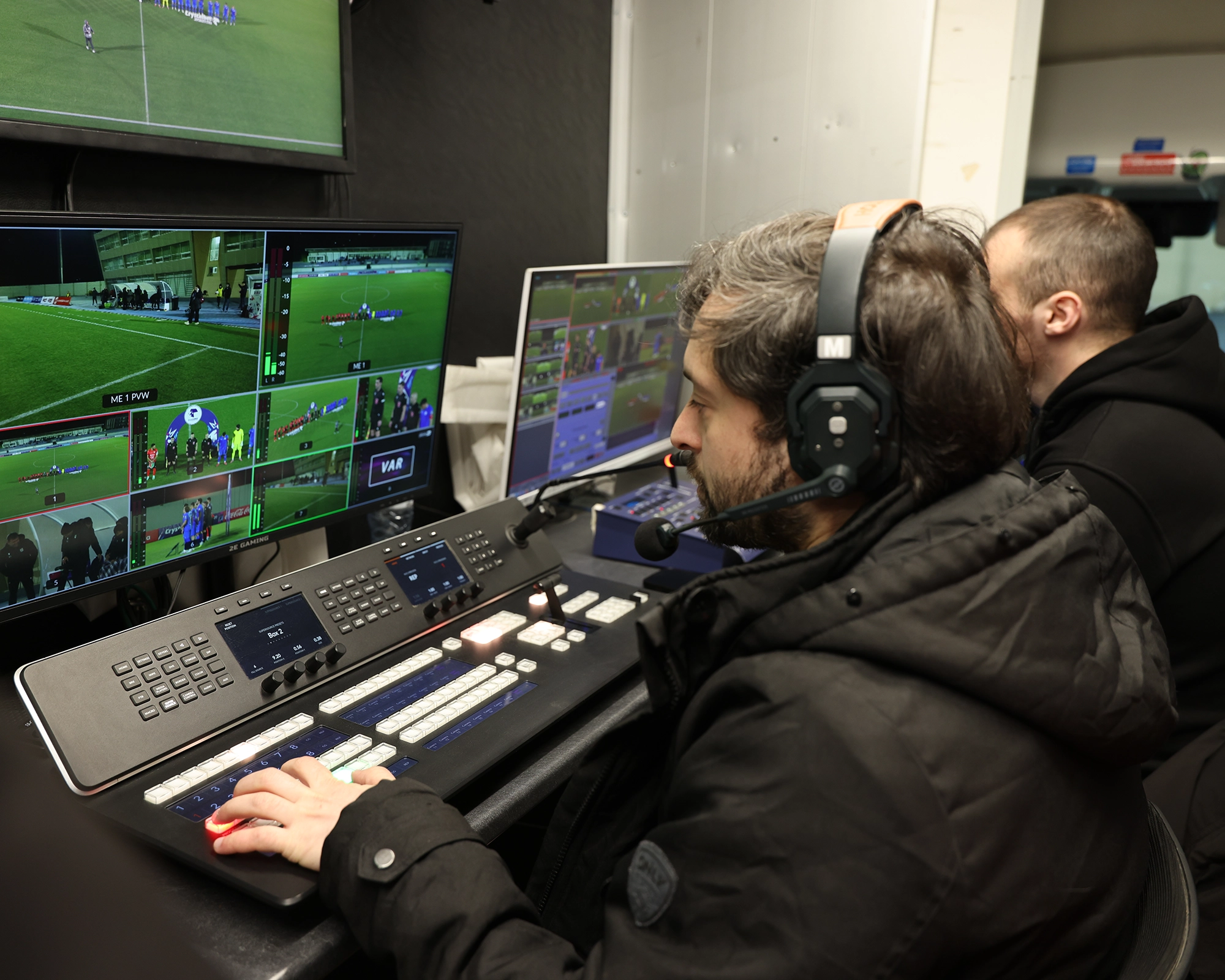
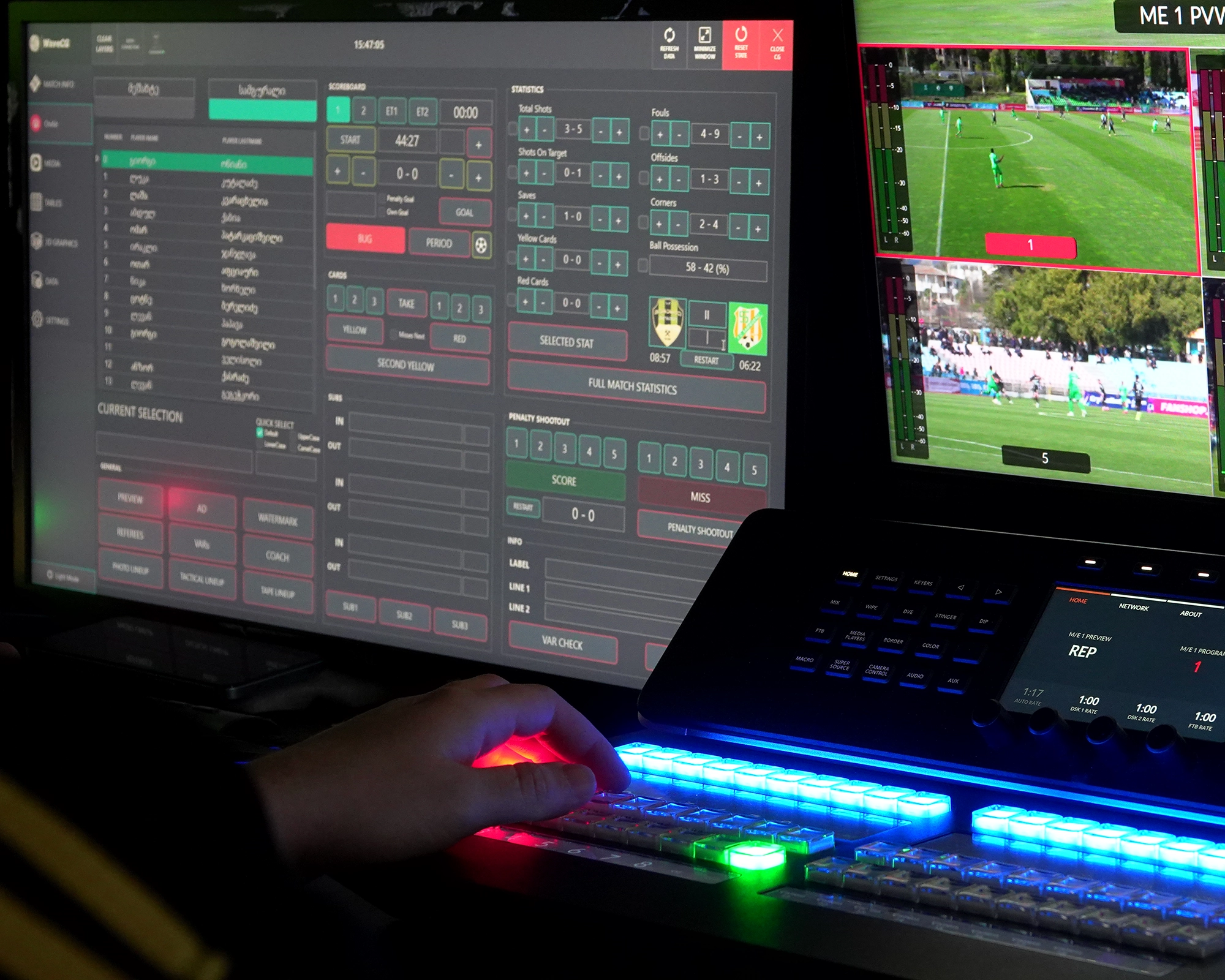
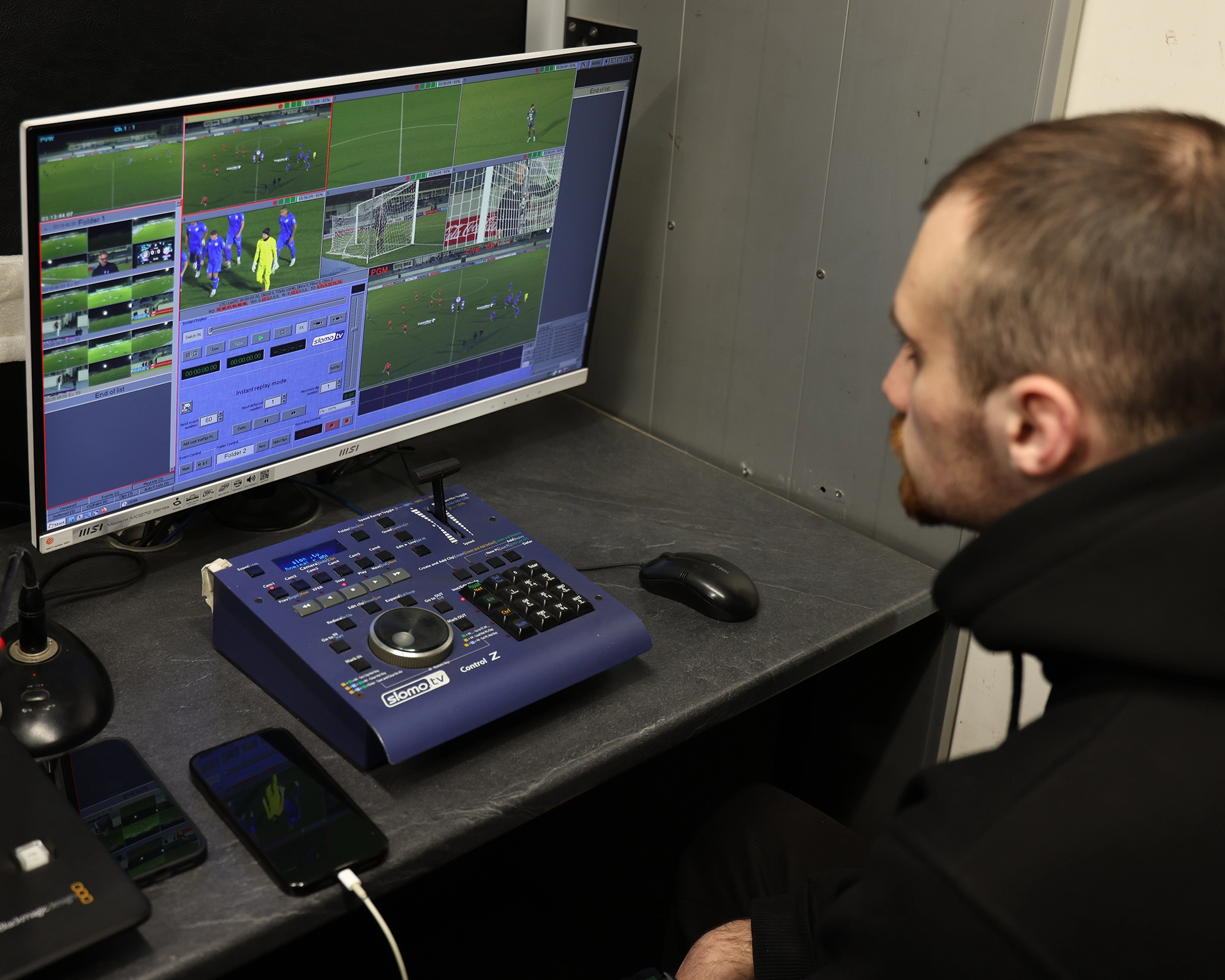
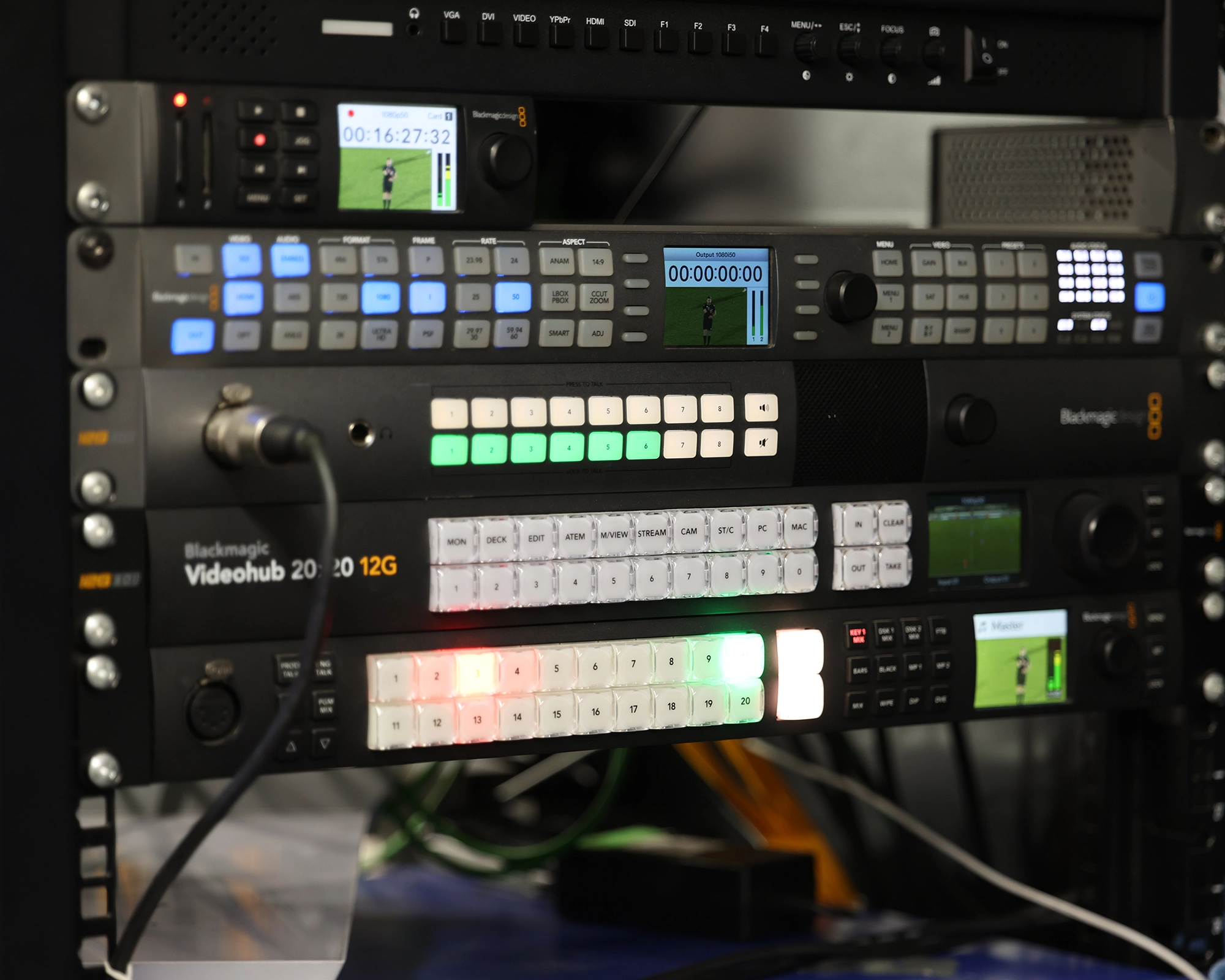
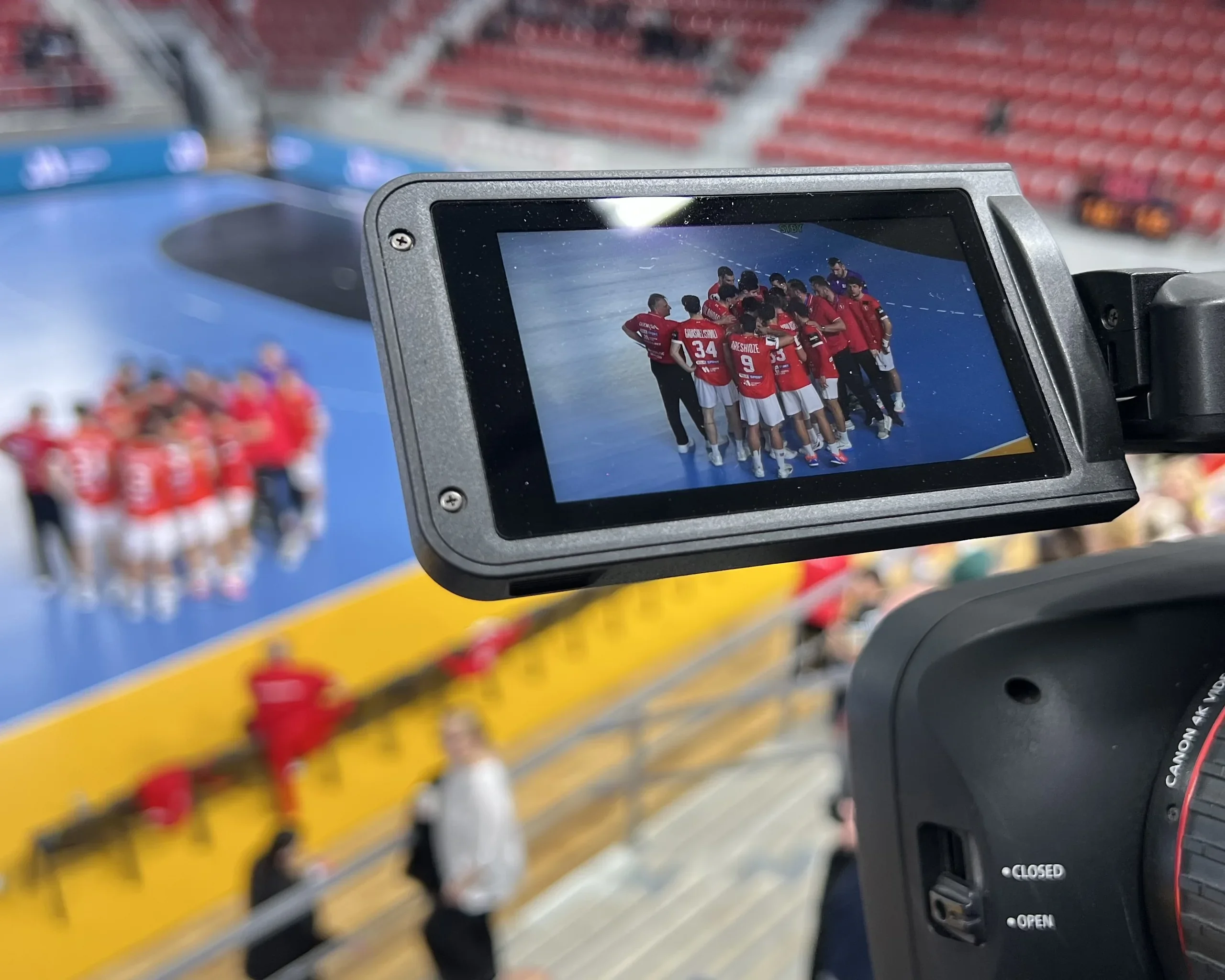
The studio operates three mobile broadcast units equipped with modern technology, including high-resolution cameras and advanced systems for graphic overlays, signal previewing, audio integration, and master signal recording in Full HD and 4K. In addition to the master feed, each camera signal can be recorded separately for post-production purposes.
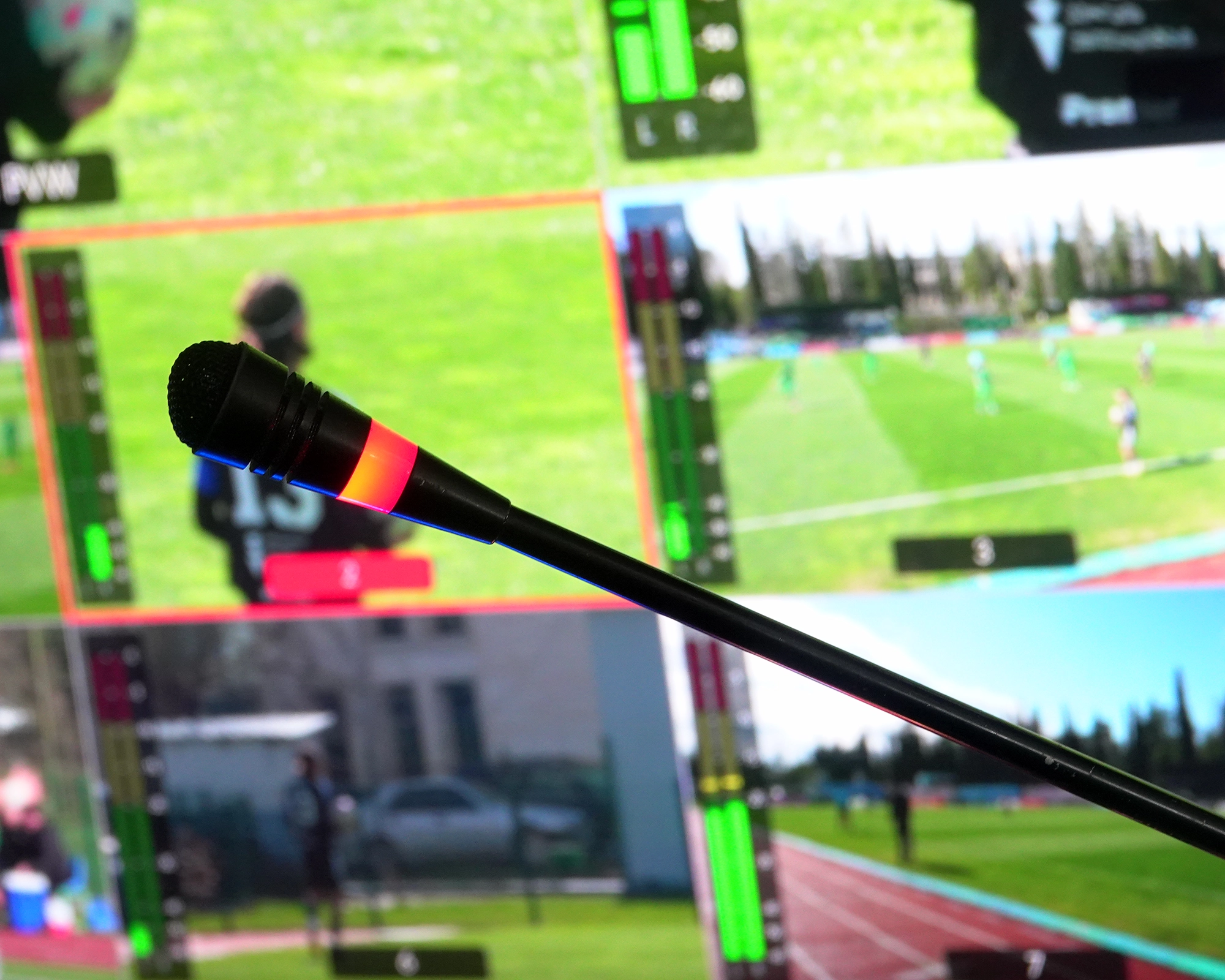
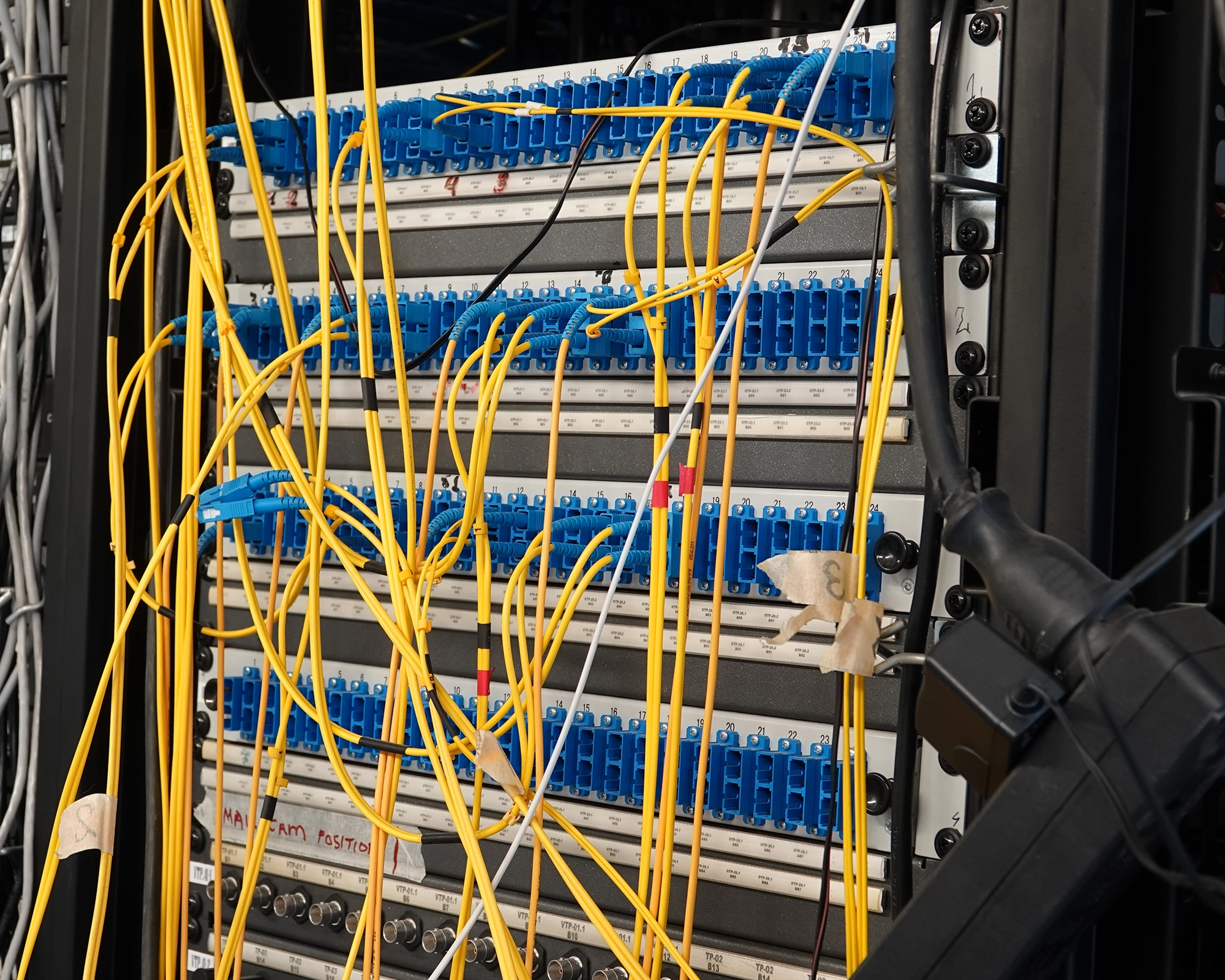
Our technical infrastructure allows long-distance transmission of camera signals via optical fiber communication. During live broadcasts, the director maintains two-way communication with the camera crew, ensuring a smooth and reliable workflow at all times.
Alongside traditional television broadcasting, online streaming has become an essential part of live production. Our systems enable simultaneous live streaming and recording on platforms such as YouTube, Facebook, or other compatible services. Viewers can watch live, rewind during the broadcast, or access the recording after the event ends.
We support simulcasting to multiple platforms at the same time, as well as parallel recording in both original and compressed formats, depending on project requirements. The number of cameras used in a broadcast can range from one to ten.
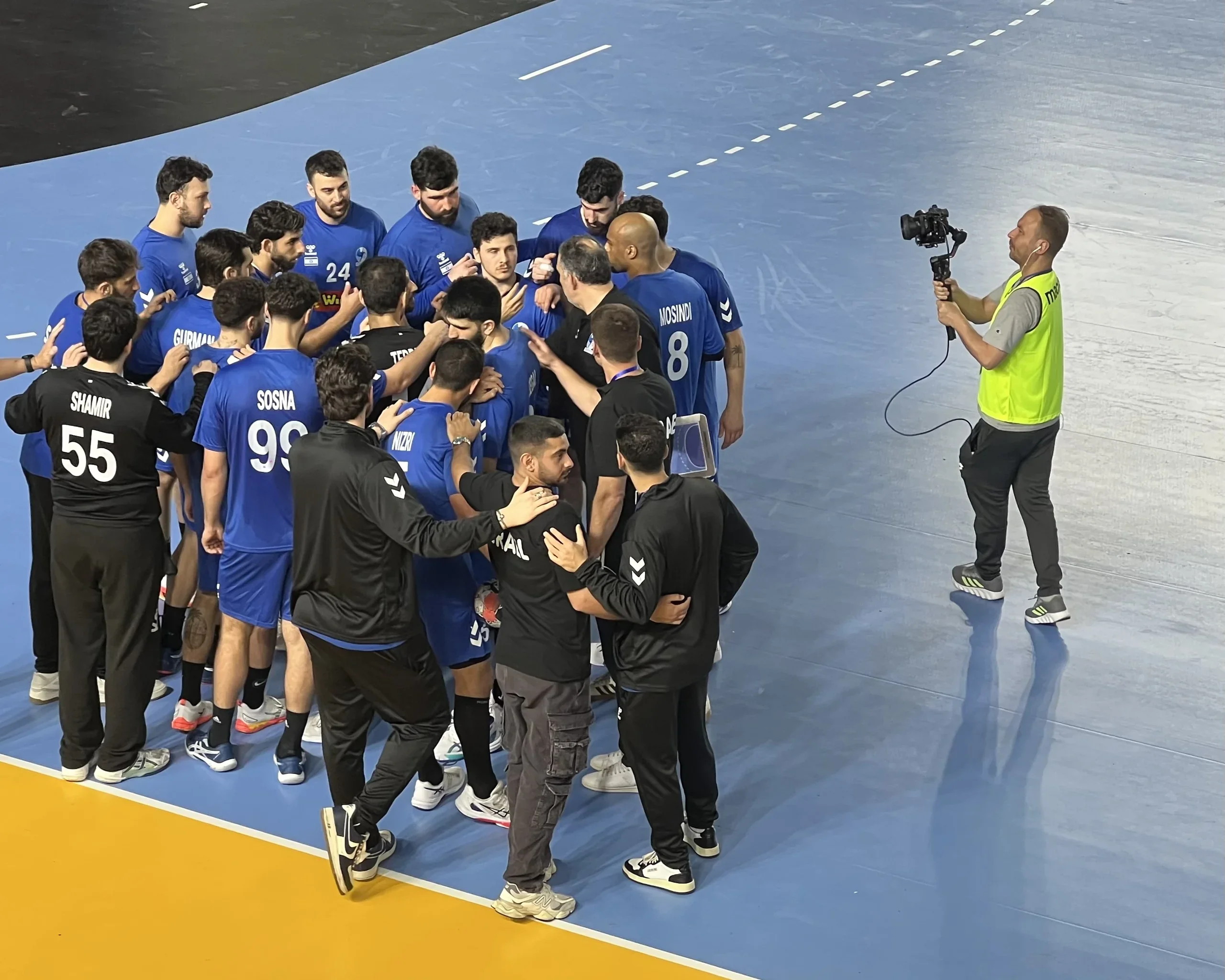
For live satellite and internet broadcasts, we frequently utilize additional equipment such as cranes, steadicams, drones, dollies, and rail systems. We also provide multilingual broadcasting, allowing original audio to be transmitted alongside simultaneous commentary in multiple languages.
Throughout our practice, we have consistently delivered solutions to complex technical challenges, ensuring reliable and high-quality live broadcasts in all conditions.